
Are you team turkey meatballs, or do you think they’re a thing of the past? Honestly, this recipe never gets old at my house. The best part about ground turkey is that it’s basically a blank canvas for whatever flavors you’re feeling. We’re talking garlic, onion, Italian seasoning, and plenty of parmesan to keep things savory and delicious.
Why Turkey Meatballs Hit Different
Here's the thing about ground turkey. It's got this mellow, almost neutral flavor that works like a blank canvas. That might sound boring, but stick with me.
When you're working with beef meatballs, especially those classic Italian ones made with beef, pork, and veal, the meat flavor can overpower your seasonings. With turkey, every herb, every spice, every bit of garlic and onion you add comes through clear and bold.
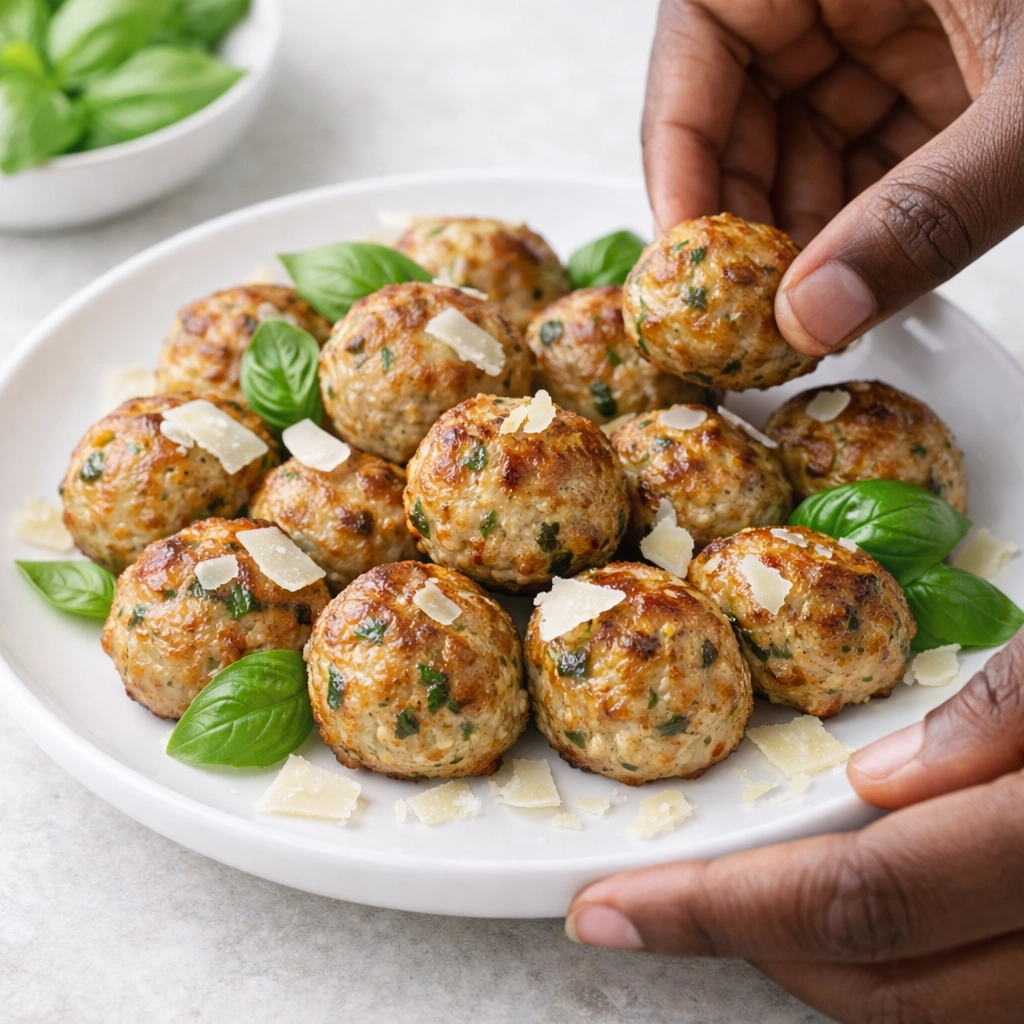
I decided to test this theory one Sunday. Made two batches of meatballs, one with ground beef, one with ground turkey. Same exact seasonings. Parmesan, Italian herbs, garlic, the works.
The beef ones? Good. Classic. What you'd expect.
The turkey ones? You could actually taste the fresh basil. The garlic had room to shine. The Parmesan wasn't just background noise.
The Health Stuff (But Make It Interesting)
Look, I'm not trying to be your nutritionist. But the numbers don't lie with turkey meatballs.
Ground turkey gives you all the protein you need, we're talking about 25 grams per serving, while keeping the fat content way lower than beef. You're also getting B vitamins, iron, zinc, and potassium. Your body uses those B vitamins for energy production, which is probably more useful than another cup of coffee at 3 PM.
For meal prep, this matters. When you're eating the same protein multiple times a week, choosing something that supports your energy and doesn't weigh you down makes a real difference. I'm not dragging through my afternoons anymore, and I'm pretty sure these meatballs are part of why.
They're Stupid Easy to Make
If you've been intimidated by the idea of making meatballs from scratch, turkey meatballs are your entry point.
Here's what you need:
- 1 Lb. Ground Turkey (I use 93/7 lean)
- ½ Cup Breadcrumbs or Almond Meal
- 1 Egg
- ¼ Cup Parmesan Cheese, grated
- 2-3 Cloves Garlic, minced
- 1 Small Onion, finely diced
- Italian Seasoning (about 1 Tbs)
- Salt and Pepper
- Olive Oil for the pan
Mix everything in a bowl with your hands. Yeah, get in there. Form them into golf ball-sized meatballs. Bake at 400°F for about 20 minutes.
That's it. Ten minutes of prep, twenty minutes in the oven. You're done.
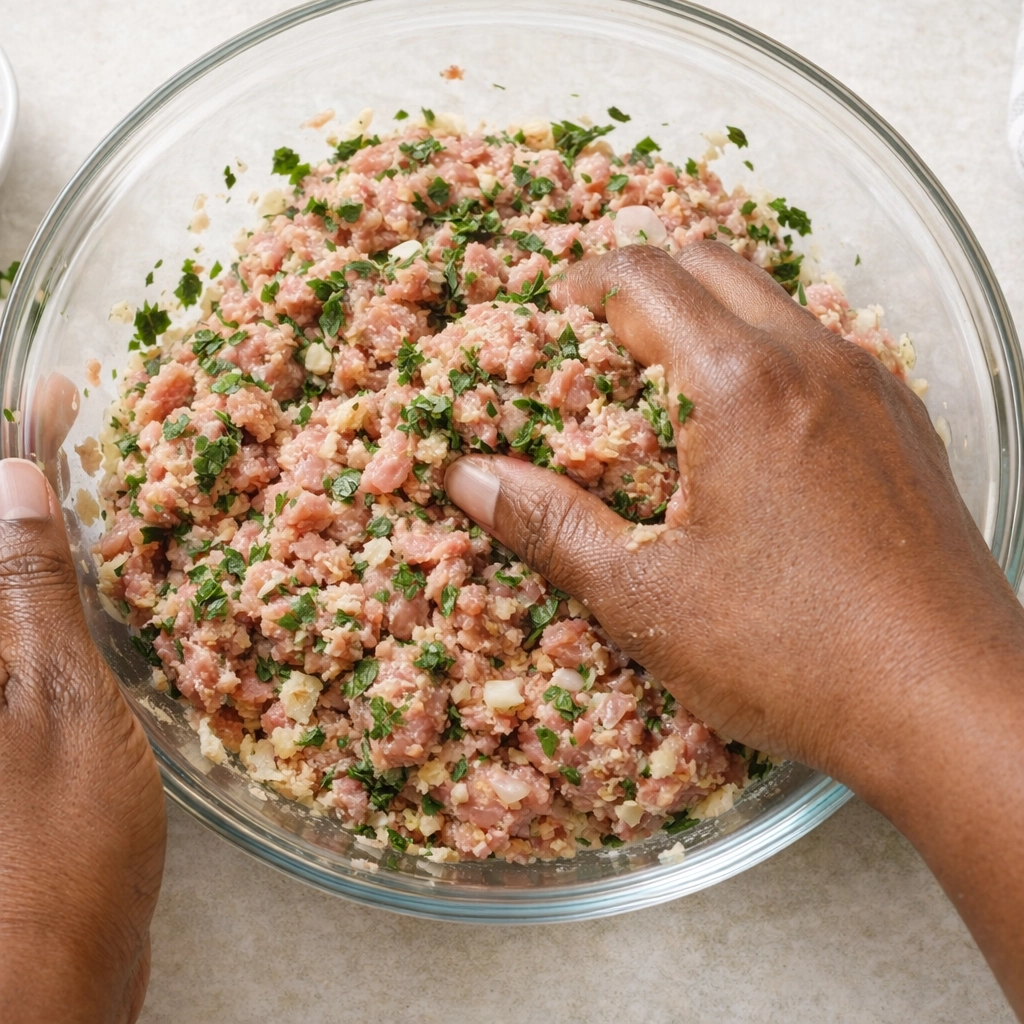
I usually make a double batch on Sundays. Some go in marinara for spaghetti during the week. Some get frozen for later. Some I'll toss into a skillet with vegetables for a quick bowl situation.
The Flavor Flexibility Thing
This is where turkey meatballs really show off.
Because turkey doesn't bulldoze your seasonings, you can take these in literally any direction. I've made Mediterranean turkey meatballs with feta, spinach, and fresh mint. I've done Asian-inspired ones with ginger, soy sauce, and sesame oil. Greek versions with oregano and lemon zest.
Last week I threw in some shredded zucchini and carrots right into the mix. Added moisture, extra nutrition, and my kids had no idea they were eating vegetables in their "meatballs."
You can also swap the binder. Some folks are gluten-free, so almond meal works great. Sweet potato (mashed) makes them extra tender and adds a subtle sweetness that's really good with chipotle or jerk seasonings.
The same base turkey meatball recipe becomes ten different dinners depending on how you season it and what you serve it with.
They Actually Stay Juicy for Meal Prep
Here's a common complaint I hear: "Turkey always comes out dry."
True, if you overcook it. But here's the trick with turkey meatballs: you're building in moisture from the jump.
The egg binds everything but also adds richness. The cheese adds fat and flavor. If you're using almond meal or breadcrumbs, those absorb and hold onto moisture during cooking.
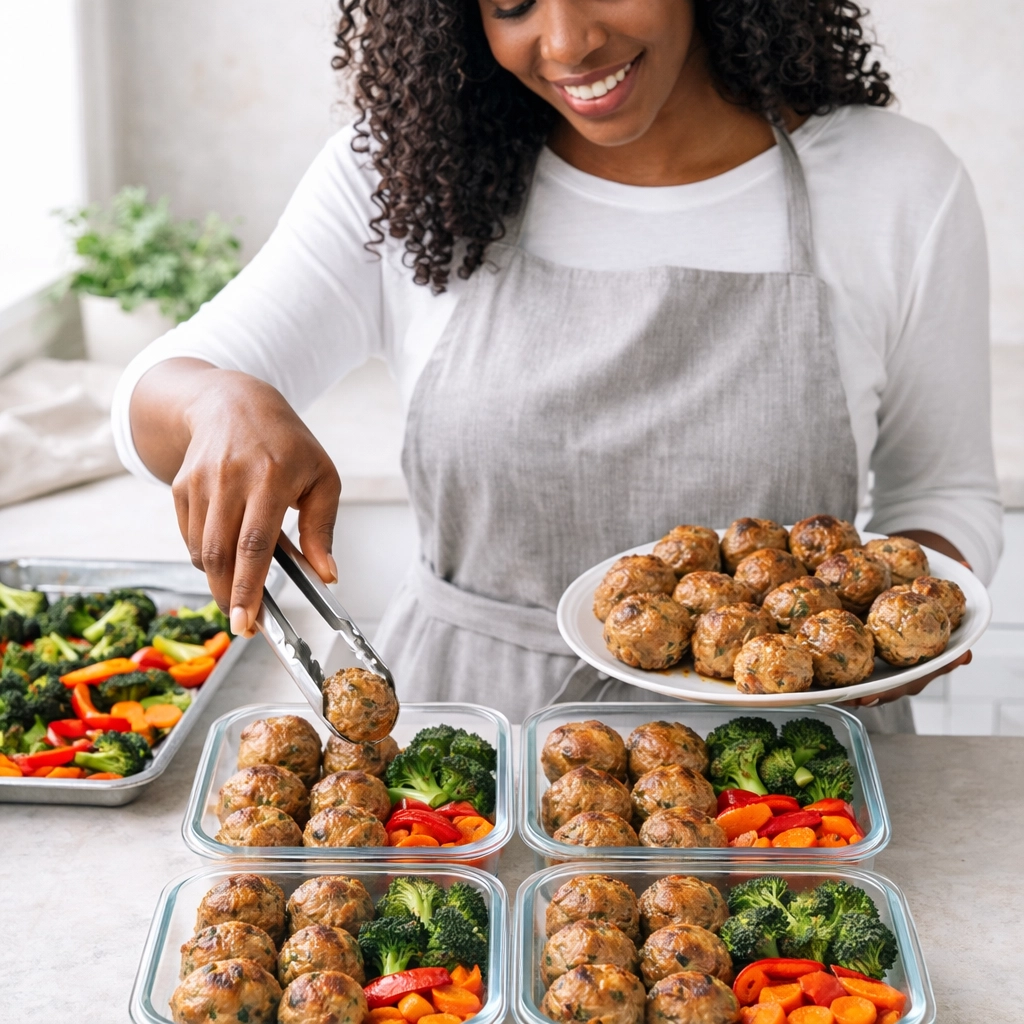
And here's the real secret: don't overcook them. Pull them at 165°F internal temperature. They'll continue cooking a bit from carryover heat, and that's fine. Let them rest for a few minutes before you pack them up.
I've reheated these meatballs four days after making them, and they're still tender. Not dried out hockey pucks. Actual food I want to eat.
What to Do With Them
The versatility extends to serving options too.
Classic Italian Route: Simmer them in your favorite marinara sauce. Serve over pasta or spaghetti squash if you're keeping it lighter. Top with fresh basil and more Parmesan.
Bowl Style: Make a grain bowl with rice or quinoa, roasted vegetables, and a sauce. I like them with a tahini-lemon dressing or even a simple balsamic glaze.
Sub Situation: Pack them into a toasted roll with marinara and melted mozzarella. This is elite lunch territory.
Sheet Pan Dinner: Roast them alongside vegetables. The meatballs release some of those good juices that flavor everything else on the pan. Check out our sheet pan chicken if you want more sheet pan inspo.
Appetizer Flex: Make them smaller, about 1-inch diameter. Serve with toothpicks and a dipping sauce for parties. People go crazy for these.
The Real Answer to "Are They Worth It?"
Yeah. They absolutely are.
Turkey meatballs aren't a compromise. They're not the thing you make when you can't have beef. They're legitimately delicious on their own terms, and they bring flexibility that other proteins can't match.
They're quick enough for a weeknight but impressive enough for meal prep that makes you feel like you've got your life together. They freeze well, reheat well, and adapt to whatever flavor profile you're craving.
I'm making a batch this Sunday with some North African spices: cumin, coriander, a little cinnamon: and serving them with couscous and roasted chickpeas. Next week I'll probably go back to the Italian classics because my kid requested "the red sauce meatballs."
That's the point. This turkey meatballs recipe never gets old because it's never really the same meal twice.
If you've been sleeping on turkey meatballs, this is your sign to give them another shot. Or a first shot. Just make sure you season them properly, don't overcook them, and keep an open mind about where you take the flavors.
You might find yourself asking why you ever bothered with anything else.
What's your go-to way to season meatballs? Drop a comment below and let me know what flavor combinations you're working with.